What Makes Tungsten Metal the Ideal Choice for Aerospace Applications?
Tungsten metal is known for its amazing qualities. First, it has the highest melting point of all metals, which is about 6,192 degrees Fahrenheit (3,422 degrees Celsius). This means it can stay strong and not melt, even in very hot situations like when a rocket is launching. Other metals might melt or lose strength, but tungsten holds up well. Another great thing about tungsten is its density. It is very heavy for its size, which means that even a small piece is strong. This density gives it strength and stability, making it perfect for parts that need to withstand a lot of pressure and heat. For instance, some engine components and heat shields use tungsten because they need to be strong and withstand extreme conditions.
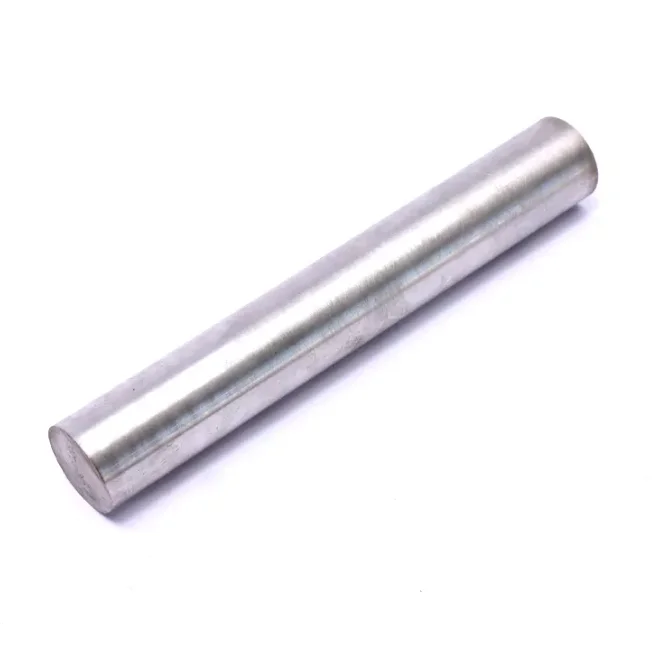
Tungsten can also resist corrosion, which is important in aerospace. When airplanes fly high in the sky or rockets go into space, they face many harsh conditions. Corrosion can weaken materials, but tungsten stands up to these challenges. This durability helps keep airplanes and rockets safe and functioning properly. Plus, tungsten can be shaped in many ways, making it easy to make different parts. This flexibility means that engineers can design parts that fit just right, making the whole aircraft work better.
TMC METAL uses tungsten to make specialized parts for the aerospace sector. Our products are designed to meet the specific needs of aircraft manufacturers. We understand how important it is to have materials that won't fail, especially in the aerospace field. That’s why we focus on using tungsten. It’s not just about being strong; it’s about being reliable in every situation.
What Are the Benefits of Using Tungsten Metal in Aircraft Components?
Using tungsten in aircraft components brings many benefits. One of the biggest advantages is its high strength-to-weight ratio. This means that even though tungsten is heavy, it provides a lot of strength for its weight. This is crucial for aircraft, where every pound matters. By using tungsten, engineers can create parts that are both strong and lightweight, leading to better fuel efficiency. This means airplanes can travel farther without needing more fuel, which is good for the environment and helps save money.
Another benefit is that tungsten can handle extreme temperatures without losing its strength. In aviation, parts can get really hot due to friction and altitude changes. Tungsten keeps its properties even under these conditions, meaning parts won't fail when they are needed the most. For example, the nozzles in rocket engines need to withstand intense heat, and tungsten is perfect for this task.
Using tungsten also leads to longer-lasting components. This means less maintenance and fewer replacements, which saves time and money for airlines and manufacturers. If parts last longer, it also means that safety is improved because there are fewer chances for something to go wrong. TMC METAL is committed to ensuring that our tungsten parts meet the highest standards of quality and safety.
In addition, tungsten’s resistance to wear and tear means that it can be used in many different applications within aircraft. From engine parts to structural components, the versatility of tungsten makes it a valuable resource. We at TMC METAL believe that every aircraft should be built to last, and tungsten plays a big role in making that happen. Using this metal is not just a trend; it’s a smart choice for the future of aviation.
A Comprehensive Guide
Tungsten metal is a special material that is very important in the aerospace industry. Aerospace refers to anything related to aircraft and space travel, like planes and rockets. One of the most interesting things about tungsten is that it is extremely strong, yet it is still quite lightweight compared to other metals. This is really important in aerospace, where both strength and weight matter a lot. When engineers design aircraft or rockets, they need materials that can handle extreme conditions, like high temperatures and pressure, without breaking or bending. Tungsten is one of those materials that can do just that.
At TMC METAL, we focus on providing high-quality tungsten products for aerospace applications. Tungsten can withstand very high temperatures, making it perfect for parts that get very hot, like rocket engines or the edges of wings. Because it is so strong, it can also help make aircraft safer and more efficient. When planes or rockets are flying, they face a lot of forces, and using strong materials like tungsten helps them stay in shape and perform better.
Another great thing about tungsten is that it can be shaped into different forms. This means that engineers can create parts that fit perfectly in their designs. For example, they might make thin sheets of tungsten to use in certain areas, or they might create heavier blocks for other parts. The ability to create different shapes allows for more creativity in designing aerospace products. Overall, tungsten is a key player in making sure that aircraft and spacecraft can fly safely and effectively.
What Are the Key Properties of Tungsten Metal That Benefit Aerospace Engineering?
Tungsten metal has several unique properties that make it a favorite in aerospace engineering. One of its most important features is its high melting point. Tungsten can handle temperatures of over 6,000 degrees Fahrenheit! This means that it can be used in very hot environments without melting or changing shape. In aerospace, this is crucial because rocket engines and other parts can get extremely hot when they are in use. If engineers use materials that can’t handle these temperatures, the parts can fail, which could be very dangerous.
Another key property of tungsten is its density. Tungsten is one of the heaviest metals, but it is also very strong. This means that even though it is heavy, it can still provide the strength needed without adding too much extra weight to the aircraft or spacecraft. In aerospace, every ounce counts. Engineers are always looking for ways to make their designs lighter without losing strength, and tungsten helps achieve that balance.
Tungsten is also resistant to corrosion. This means it won’t easily rust or break down when exposed to harsh environments, such as the high-altitude conditions that aircraft face. This durability is important because it ensures that parts can last a long time, reducing the need for repairs and replacements. Furthermore, tungsten can be alloyed with other materials to enhance its properties even more. This allows engineers to customize tungsten for specific needs in aerospace applications. All these properties make tungsten a valuable metal for engineers working in the aerospace industry.
How to Overcome Common Challenges When Using Tungsten Metal in Aerospace
While tungsten is an excellent material for aerospace applications, there are some challenges that engineers face when using it. One common issue is that tungsten is difficult to work with. It is a very hard metal, which makes it tough to cut or shape into the desired forms. Engineers need special Tungsten Metal tools and techniques to make sure they can create the parts they need. At TMC METAL, we understand these challenges and work hard to provide tungsten products that are already shaped and ready for use, helping engineers save time and effort.
Another challenge is the cost of tungsten. Because it is a rare metal, it can be more expensive than other materials. This can make it hard for some companies to choose tungsten for their projects. However, the benefits of using tungsten often outweigh the costs. Engineers can save money in the long run by using strong, durable materials Tantalum Metal that do not need to be replaced often. To help with the cost issue, companies like TMC METAL are committed to offering tungsten products at competitive prices, making it more accessible for aerospace projects.
Lastly, the weight of tungsten, while beneficial in many ways, can also be a concern. Since it is a heavy metal, using too much tungsten in a design can add unnecessary weight to an aircraft or spacecraft. Engineers need to be careful about how they use tungsten to ensure they do not exceed the weight limits. One solution is to use tungsten in combination with other lighter materials. By Nickel Metal carefully selecting where to use tungsten, engineers can take advantage of its strength while keeping the overall weight down. By addressing these challenges, the aerospace industry can continue to benefit from the many advantages that tungsten metal offers.